
HEALTHY AGING:

Although we are living longer, the question really is, are we living healthier lives as we age into our golden years?

There is no question that we are living longer than at any other time in history. In a century, the world changed from having almost no countries with life expectancy more than 50 years to having many countries with a life expectancy of 80 years. In the United States, for example, life expectancy at birth over the 110 years from 1900 to 2010 went from 47.3 to 78.7.1 By 2050, one-in-five U.S. residents are expected to be 65 or older.2

Although we are living longer, the question really is, are we living healthier lives as we age into our golden years? The World Health Organization (WHO) defines healthy aging as “the process of developing and maintaining the functional ability that enables wellbeing in older age.” Essentially, it boils down to having the health capacity—both physically and mentally—to do the things we want to do as we get older.

The key to enjoying our golden years requires maintaining healthy behaviors as we age. Both strength training to maintain muscle mass and good nutrition and refraining from tobacco use can help to maintain healthy cognitive function, delay care dependency, and reverse frailty.

How Aging Affects the Endocrine System

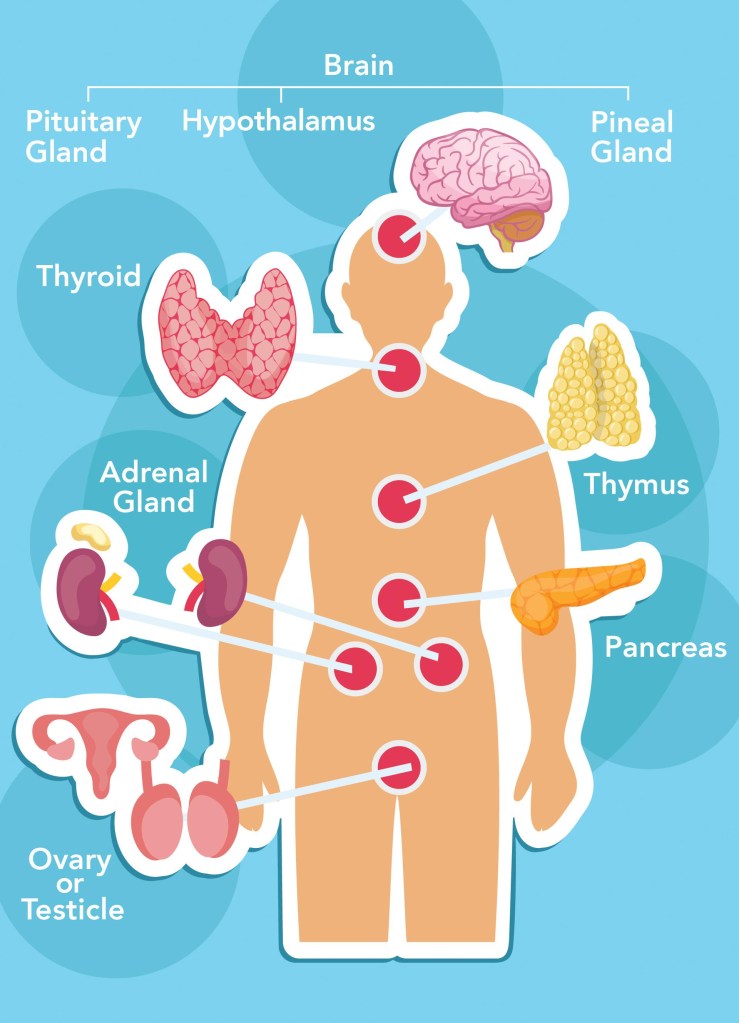
The endocrine system includes glands and organs throughout the body, which all play a vital role in controlling and regulating many of the body’s functions, including metabolism, growth and development, sexual function and reproduction, heart rate, blood pressure, appetite, sleeping and waking cycles, and body temperature.3

As we age, changes naturally occur in the way our systems are controlled. Secretion patterns change. The way receiving organs process the hormones can change and the blood levels in some hormones increase while others decrease. The rate at which hormones are metabolized can slow. Countless changes, whether major or minor, have an effect on how healthy we age.
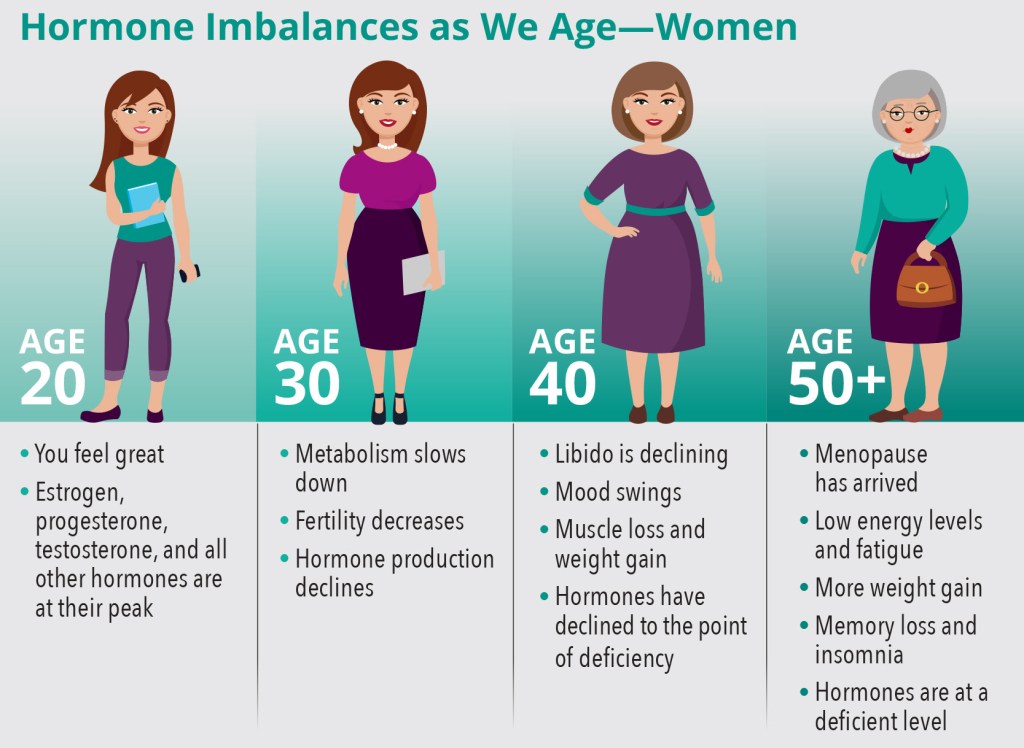
One study showed 43% of women surveyed say hormones have negatively affected their overall well-being.4  Women may also experience imbalances in estrogen and progesterone levels, while men are more likely to experience imbalances in testosterone levels.5

PLUS: A Healthy Foundation
for Adrenal Function
*

Amazingly, our desires and needs are largely driven by our endocrine system and hormones. But did you know life’s traumas, stressors, injuries and environmental factors can affect how hormones are released throughout our bodies?

PLUS caplets help support foundational adrenal function to help your body’s natural recovery processes from things like physical stressors and “adrenal fatigue.”* If you feel tired and worn out despite a good night’s sleep, or if you experience signs of feeling gray or a lack of energy along with a craving for salty foods, you may benefit from added adrenal support.*
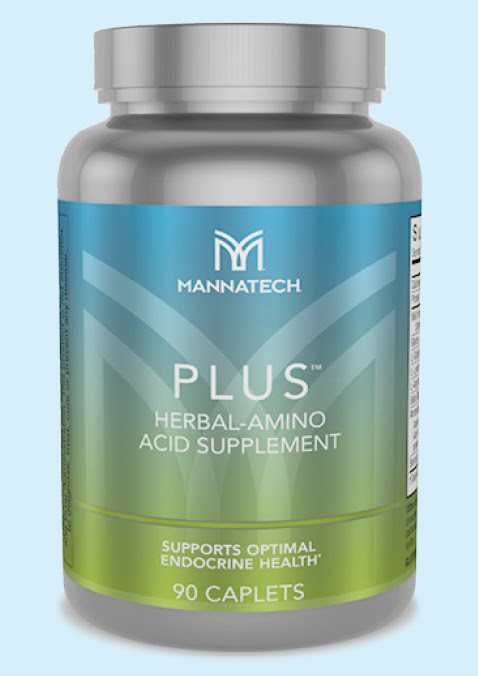
Benefits:

  • Formulated to support optimal endocrine health.*
  • Supports the health of the immune, nervous and cardiovascular systems.*
  • Supports breast, prostate, bone and colon health.*
  • A source of plant sterols.
  • Includes amino acids that play important roles in protein synthesis and the functioning of the immune system, the nervous system and the cardiovascular system.*

Learn More:

Product Information:

https://cloud.mannatech.com/mtlibrary/59952785400800.pdf

Purchase Here:

https://us.mannatech.com/products/integrative-health/details/11101/

7 Health Benefits of Matcha Tea

Matcha tea has many benefits. You can use it is a tea, latte or even in desserts. It has become very popular for young and old alike.

Some of the health benefits are:

  1. High in antioxidants – Matcha contains a concentrated amount of antioxidants, which may reduce cell damage and prevent chronic disease.
  2. May help protect the liver – Some studies have shown that matcha could prevent liver damage and decrease the risk of liver disease. However, additional studies are needed to look at the effects on humans in the general population.
  3. Boosts brain function – Matcha has been shown to improve attention, memory, and reaction time. It also contains caffeine and L-theanine, which can improve several aspects of brain function.
  4. May help prevent cancer – Test tube and animal studies have found that the compounds in matcha may inhibit the growth of cancer cells
  5. May promote heart health – Studies show that green tea and matcha can decrease several heart disease risk factors.
  6. Helps you lose weight – Some studies show that green tea extract helps increase metabolism and fat burning, both of which may aid weight loss.
  7. Matcha tea is very easy to prepare – There are many ways to prepare matcha, so you can choose the one you like best. It can also be incorporated into a range of different recipes.

Matcha Green Tea Latte (Hot or Iced)

Ingredients:

  • 1 Tsp Matcha Green Tea Powder
  • 1 Tbsp Honey
  • 3 Tbsp Warm Water
  • 250 ml Cold Milk or 300 ml Hot Almond Milk

How to Prepare:

  • Spoon the Matcha Green Tea Powder and the honey into a mug or cup
  • Add the warm water and mix with a spoon or with a frother whisk until it is a smooth dark green paste to ensure no lumps form
  • Warm the milk in a small saucepan and pour into the mug until nearly full. Use cold milk for an iced latte.
  • Use a frother whisk to mix the past and milk together until smooth and light green in colour.
  • If you so wish, you can add a few sprinkles of Matcha Green Tea Powder on the top for decoration…or add ice for an extra cold iced latte.

Contact me: Shirley Thompson Email: sthompson096@gmail.com
Alberta, Canada

Foods that Trigger Anxiety and What to Eat Instead

Anxiety is familiar to all of us. We all know the nerves and fear before public speaking, important events, and new dates. However, for many, anxiety is a more serious issue. Anxiety disorders affect about 40 million adults in the United States alone and one-half of the Canadian population. They are the most common mental illness. The good news is that it is absolutely possible to reduce anxiety. The first step is to discover what activities are acting to trigger anxiety within you.  

What Is Anxiety

Anxiety is a fear or worry about something happening in the future, such perceived to be stressful, dangerous, or unfamiliar situations. It’s a natural response to stress.

Occasional anxiety is completely normal. We all experience jitters, nerves, or fear from time to time before important events, a job interview, or public speaking. However, experiencing intense, excessive, or persistent anxiety, fear, or worry can interfere with the quality of your life and health. 

Persistent and intense feelings of anxiety can be hard to control and may hinder your daily activities, job, school work, relationships, and social life. Some people even experience panic attacks characterized by sudden feelings of anxiety or fear that may last for several minutes or longer. 

Symptoms of Anxiety

The symptoms of anxiety may differ from person to person depending on the situation and the form of anxiety you have. You may experience a racing heart, or you may even have scary panic attacks or nightmares.

Common signs of anxiety may include:

  • Increased heart rate
  • Rapid breathing
  • Feeling tense
  • Feeling nervous
  • Having a sense of danger
  • Restlessness
  • Trouble concentrating
  • Sense of stress, distress, dread, or worry
  • Intense general fear or worry
  • Intense fear or worry about a specific situation, place, person, or activity
  • Feeling out of control
  • Trembling
  • Sweating
  • Feeling tired or weak
  • Gastrointestinal (GI) distress
  • Difficulty falling asleep
  • Feeling a disconnect between your body and mind
  • Painful or worrisome thoughts or memories you are unable to control

What Can Trigger Anxiety

When you think about factors that may trigger anxiety, considering conflicts in relationships, social events, painful memories, public events, public performances, financial troubles, painful memories, and personal trauma may come to mind.

These are most certainly important factors that may trigger anxiety. However, you may be surprised to know that your nutrition and overall health may also trigger anxiety. In fact, when your nutrition and overall health is compromised, these commonly considered factors can trigger anxiety even more so. Let’s look at these nutritional factors that may trigger anxiety.

Blood Sugar Can Trigger Anxiety 

Not eating regularly may lead to a blood sugar drop. Eating a diet high in refined sugar and sugary processed foods also lead to sugar crashes and potentially trigger anxiety. When you eat sugar, your body releases insulin to take care of excess sugar in your bloodstream. However, too much sugar makes it difficult for your body to balance your blood sugar levels and create balance. This leads to sugar crashes and ups and downs that may trigger anxiety, irritability, worry, nervousness, and sadness.

According to a 2016 case report, adding more protein, fat, and fiber to a diet may improve anxiety, mood, concentration, energy, and blood sugar issues of a subject with generalized anxiety and hypoglycemia. Once they returned to their former diet of refined carbohydrates, it triggered anxiety and symptoms returned.

Gut-Brain Axis Dysfunction Can Trigger Anxiety 

It is important to know how healthy your gut is. Your gut literally affects everything in your body, including your brain and mood. It is not surprising that a gut-brain axis dysfunction can trigger anxiety.

The simplest way to understand the connection between your gut and your brain is thinking about a time when you felt nervous before a presentation, exam, date, or another event. Chances are you’ve felt butterflies in your stomach, nausea, stomach pain, or even diarrhea.

How The Gut-Brain Axis Works

Your gut and your brain communicate through the gut-brain axis.  One way they connect is through the vagus nerve which begins in the brain stem and travels down into the gut and stimulates bowel motility and the production of neurotransmitters like serotonin in the gut.   

The other way, your gut and brain communicate is through the microbial species that make up your microbiome. When your micriobiome and this gut-brain axis are disrupted it may lead to a number of cognitive dysfunctions and mood disorders including anxiety, depression, obsessive-compulsive disorder (OCD), and attention-deficit disorder (ADD).

Foods that Can Trigger Anxiety

If you have anxiety, it is incredibly important to look at your diet. Inflammatory foods may increase inflammation, pain, and the risk of health issues. They may also trigger anxiety.

  • Sugar and Processed Foods
  • Artificial Flavorings
  • Too Much Caffeine
  • Gluten and Grains
  • Processed Vegetable Oils (corn oil, canola, soybean, safflower, cottonseed & peanut oil)

How to Reduce Anxiety Naturally

Conventional treatments of anxiety often include pharmaceutical medications. However, these medications usually serve as a band aid without addressing the cause or fully solving the problem. You will be happy to learn that it is possible to reduce anxiety naturally through a nutritious diet, a healthy lifestyle, and appropriate supplementation.

The following are key strategies to take on your way to reducing anxiety and living a more enjoyable life.  Be sure to apply the first 7 on your own and if you are still struggling with anxiety than it is time to work with a functional health practitioner to customize a specific plan for you to get well.

  • Anti-Inflammatory Healing Diet
  • Eat your food in a relaxed state which helps product more digestive juices
  • Supplement with an enzyme which breaks down the fats, protein and carbohydrates
  • Taking a high-quality probiotics to ensure a healthy guy flora balance
  • Exercise exercise 20-30 minutes, 5 times a week
  • Remove Food Sensitivities

Consider Seeing a Functional Health Practitioner

Sometimes it’s hard to combat anxiety alone. If you have tried everything and nothing seems to be working, consider finding a functional health practitioner to help you identify the root cause that may trigger anxiety.

Final Thoughts

Anxiety is your body’s natural response to stress. However, frequent, excessive, and persistent anxiety can seriously interfere with your life and affect your overall health.

Understanding the factors that trigger anxiety and following dietary, lifestyle, and supplement recommendations, you can reduce anxiety and finally live the happy life you deserve.

Vegetarian Recipe

Having our 18-year-old granddaughter living with us has exposed me to some new recipes since she has now recently gone to eating vegetarian. Being the “bestest” grandma that I can be, I began searching for recipes that would suit her new healthy eating program.

I am not against vegetarian; actually, I rather enjoy eating lighter meals with less meat and bread. The challenge is to get enough protein on a vegetarian diet and with ample information that is available on the Internet, it is not too difficult to find what you are looking for. My husband and I still eat meat in smaller portions along with lots of veggies and fewer carbs.

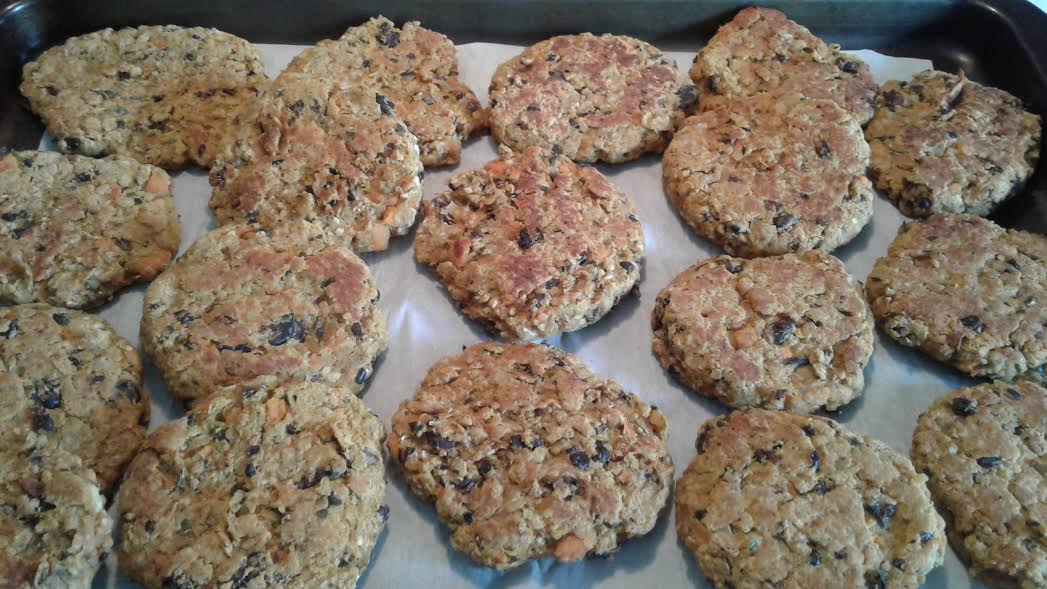
I came across a recipe for vegetarian burgers and was amazed how well they tasted and how nutritious they were. When I made them for the first time, I realized that it does take some time to make but isn’t that what cooking is all about. I enjoy making nutritious foods that satisfy my family’s needs and tastes good.

Cheesy Red Lentil Burgers

Cheesy Red Lentil Burgers

I hope you give this recipe a try and also let me know your thoughts. Tweak it to your own liking especially when adding your own favorite spices, etc.

Cast

Don’t let me hear you say that it was too difficult to make!! I This is me with a 3-week cast on my arm. Baggies work great!!

Psalm 118:14 – “The Lord is my strength and my song; he has become my salvation.”

He gives me strength every day to accomplish the things I enjoy doing like cooking for my family.

To your health and happy eating.

Shirley

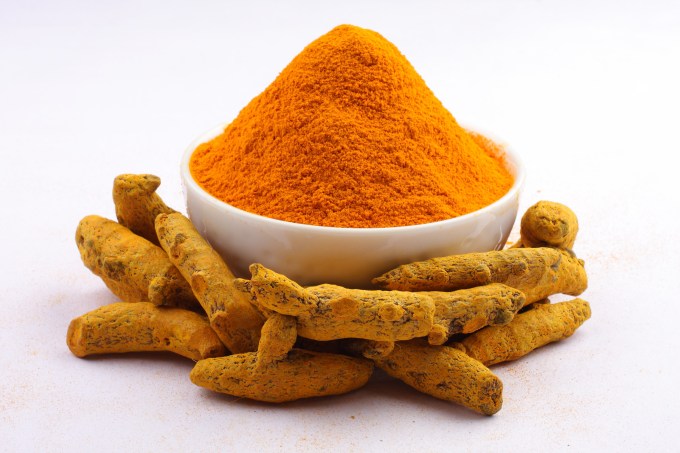
Tumeric

Turmeric.jpg

Do you add turmeric (curcumin) to your food for flavor? Growing up on the smallest Island in Canada (PEI), we used this spice once a year when making mustard pickles. At that time, we never knew the health benefits of this spice; however, I am now overwhelmed as I read about the benefits of using this spice.

Health Benefits

Turmeric (Curcuma longa), the bright yellow of the spice rainbow, is a powerful medicine that has long been used in the Chinese and Indian systems of medicine as an anti-inflammatory agent to treat a wide variety of conditions, including flatulence, jaundice, menstrual difficulties, bloody urine, hemorrhage, toothache, bruises, chest pain, and colic.

Who would have thought that a little spice like turmeric could have such great health benefits!  Wouldn’t you want to start using this spice just for its anti-inflammatory abilities! Look around you. Do you know people who are suffering from pain and are not able to do just the normal things in life like walking, getting out of bed in the morning pain-free, opening a lid, holding scissors or get this, holding a grandbaby because they don’t have any strength left in their hands because of pain? I was this person 4 ½ years ago.

At that time, I took a serious look at my health and began taking steps to try to improve my health so I could be pain free. It has been a remarkable journey with lots of ups and downs, medications as well as nutritional supplementation. My health has improved immensely where this past year I have chosen to stop taking my meds. I did this because I began to see an improvement in my health and thought why not give it a try if only for a month or so. Well, it has now been a year and I still see bits of improvement.

When I found out about this spice, I began taking it as a supplement for pain rather than taking my pain meds. I like the fact that it does not have any side effects and it is natural. Note: If taking meds, don’t stop taking them without a doctor’s advice.

Here is a link from The Truth About Cancer website, about further benefits of tumeric.

Benefits of Tumeric

How to Enjoy

A Few Quick Serving Ideas:
  • Add turmeric to egg salad to give it an even bolder yellow color.
  • Mix brown rice with raisins and cashews and season with turmeric, cumin and coriander.
  • Although turmeric is generally a staple ingredient in curry powder, some people like to add a little extra of this spice when preparing curries. And turmeric doesn’t have to only be used in curries. This spice is delicious on healthy sautéed apples, and healthy steamed cauliflower and/or green beans and onions. Or, for a creamy, flavor-rich, low-calorie dip, try mixing some turmeric and dried onion with a little omega-3-rich mayonnaise, salt and pepper. Serve with raw cauliflower, celery, sweet pepper, jicama and broccoli florets.
  • Turmeric is a great spice to complement recipes that feature lentils.
  • Give salad dressings an orange-yellow hue by adding some turmeric powder to them.
  • For an especially delicious way to add more turmeric to your healthy way of eating, cut cauliflower florets in half and healthy sauté with a generous spoonful of turmeric for 5 minutes. Remove from the heat and toss with olive oil, salt and pepper to taste.

Further research found that there are still more studies being done on turmeric and the health benefits contributing to digestion, heart health, type 2 diabetes, arthritis, and brain health just to mention a few.

Turmeric has been used as a powerful anti-inflammatory in Chinese and Indian medicine for millennia.

Summary

Many of the health benefits of turmeric can be experienced by thinking of your food as a medicine, which was the advice of Hippocrates in the 4th century B.C. This bright yellow spice, traditionally used as food and medicine, contains potent antioxidants and benefits that studies have shown can fight diabetes, cancer, and heart disease.

To get the most of what turmeric has to offer, use it to enhance many of the current ho-hum dishes on your table, such as fish dishes or any meat for that matter; turmeric can add delicious complexity to mashed dishes like potatoes or cauliflower, sautés with onions, broccoli, carrots, or bell peppers. It can be used as a base for creamy vegetable dips, sauces, and egg salad.

Be sure to choose the full, organic turmeric spice rather than a curry blend, which has a negligible amount of anything healthful.[1]


[1] http://www.mercola.com